
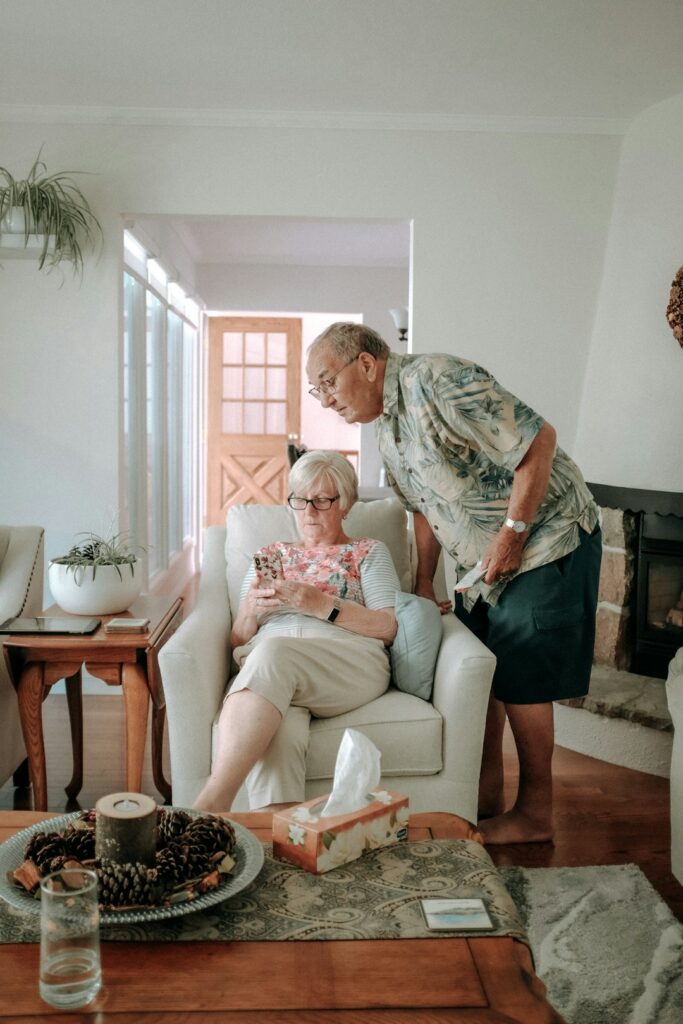
Living in an assisted living residence means sharing routines, spaces, services, and decisions with many other people. Disagreements can arise between residents, families, staff members, visitors, or roommates. Most conflicts can be managed more effectively when concerns are raised early, discussed calmly, and documented clearly.
Conflict does not automatically mean that a residence is unsafe or poorly managed. However, repeated arguments, intimidation, ignored complaints, or changes in a resident’s care require prompt attention.
What types of conflict are common in assisted living?
Most disputes involve daily routines, personal space, communication, or expectations about care. Common examples include:
- Noise from a television, phone, hallway, or shared activity
- Room temperature, lighting, odors, or preferred sleeping schedules
- Disagreements about dining choices, seating, or meal timing
- Confusion about medication assistance, bathing, transportation, or appointments
- A roommate entering another person’s space or borrowing belongings
- Family members disagreeing with each other or with staff
- A resident feeling rushed, ignored, embarrassed, or left out
- Arguments connected to memory loss, confusion, anxiety, or changes in behavior
Some conflicts are situational. For example, winter weather may keep more residents indoors, increasing noise and crowding in common areas. During hot or humid periods, discomfort and fatigue can also make people more irritable. These conditions may explain tension, but they do not excuse threats, harassment, neglect, or unsafe conduct.
What should a resident do first?
The first step is to identify the specific problem and decide whether anyone is in immediate danger. A concern is easier to address when it is described with facts rather than general accusations.
Instead of saying, “The staff never listens,” a resident might say, “I asked for help getting ready at 8:00 a.m. on three mornings this week, and assistance arrived after breakfast.”
If the situation is not urgent, the resident can:
1. Move to a quieter or safer area if possible.
2. Wait until everyone is calm enough to speak.
3. Explain what happened, how it affected the resident, and what change is requested.
4. Ask the other person to describe their understanding.
5. Agree on a practical next step and a time to check whether it worked.
A short conversation may resolve a disagreement about television volume or shared furniture. More complicated concerns should be brought to a staff member, nurse, care coordinator, or administrator.
How can residents discuss conflict without making it worse?
A calm, specific conversation is usually more productive than arguing in a hallway or dining room. Use neutral language and focus on behavior.
Helpful phrases include:
- “I feel uncomfortable when my belongings are moved without permission.”
- “Could we agree on quiet hours in the room?”
- “I need the instructions explained again so I understand what will happen.”
- “The current arrangement is not working for me. What alternatives are available?”
- “I would like this concern documented and reviewed.”
Avoid insults, threats, public confrontations, or attempts to recruit other residents into taking sides. A person with hearing loss, speech difficulty, limited English proficiency, or cognitive impairment may need extra time, written information, an interpreter, or support from a trusted representative.
What if the conflict involves a roommate?
Roommate problems should be reported early rather than tolerated until resentment builds. The resident can ask staff to help establish expectations about sleep, visitors, personal items, television, lighting, and use of shared furniture.
A written room agreement may help clarify:
- Quiet times
- Overnight lighting
- Door and privacy preferences
- Storage of clothing and personal items
- Use of shared devices
- Visiting arrangements
- What to do when either roommate needs rest
If the conflict continues, ask whether a room change, mediation meeting, or care-plan review is possible. A resident should not move another person’s belongings, block access to the room, or retaliate through noise or threats.
How should families handle disagreements with staff?
Families often become involved because they are worried, but an emotional conversation can make cooperation more difficult. Before raising a complaint, gather the relevant dates, names or roles of people involved, written instructions, and the outcome being requested.
It helps to identify whether the disagreement concerns:
- A medical decision
- A change in daily routine
- A missed service or delayed response
- Privacy or communication
- A billing or contract question
- A safety, abuse, or neglect concern

The resident’s preferences should remain central whenever the resident can make and communicate decisions. A family member may offer support, but should not automatically speak over the resident or assume that disagreement means incapacity.
Ask for a meeting with the appropriate staff members and request a written summary of decisions. If a care plan, medication routine, or safety procedure is involved, ask how changes will be communicated to the resident and family.
When does a disagreement become a safety concern?
Threats, physical contact, sexual misconduct, intimidation, theft, retaliation, neglect, or deliberate withholding of care require more than ordinary conflict resolution. A resident should move away from danger, alert staff immediately, and call 911 if there is an immediate threat to life or serious injury.
Warning signs that need prompt attention include:
- Unexplained bruises or injuries
- Repeated fear of a particular person
- Missing money, medication, identification, or personal items
- Sudden withdrawal, agitation, or unusual behavior
- Refusal to report concerns because of fear of retaliation
- Repeated unanswered requests for essential assistance
- Staff discouraging a resident from speaking with family or advocates
Memory loss or mental illness may contribute to an argument, but they do not make abuse acceptable. Staff should respond with appropriate assessment, supervision, and care planning rather than simply labeling the resident as difficult.
What should a resident do if the problem is not resolved?
Document the concern in a simple log. Include the date, approximate time, location, people involved, what happened, witnesses, and the response received. Keep copies of written complaints and note any promised follow-up.
Begin with the residence’s grievance process. Assisted living residences in Pennsylvania are expected to have a way for residents to raise concerns and receive a response. Ask for the name of the person responsible for grievances, the expected review period, and whether a written decision is available.
If the issue remains unresolved, residents or representatives may seek assistance from the Pennsylvania Long-Term Care Ombudsman Program. An ombudsman can explain resident rights, help communicate concerns, and assist with disputes involving quality of life, staffing, services, personal property, discharge, or facility policies.
For concerns involving possible violations, unsafe conditions, abuse, or neglect, a complaint may also be made to the Pennsylvania Department of Human Services. Residents do not need to wait for a conflict to become severe before asking for guidance.
How can residents help prevent future conflict?
Clear routines and respectful communication reduce many disputes. Residents can keep frequently used items labeled, use mobility aids as directed, follow shared-space expectations, and tell staff when a change in health or mood is affecting daily interactions.
Families can help by keeping contact information current, reviewing care-plan updates, and avoiding conflicting instructions from different relatives. Staff and residents benefit when concerns are raised privately, recorded accurately, and addressed before frustration becomes a personal confrontation.
The goal is not to eliminate every disagreement. It is to protect dignity, safety, privacy, and participation while finding a workable solution for everyone involved.
