
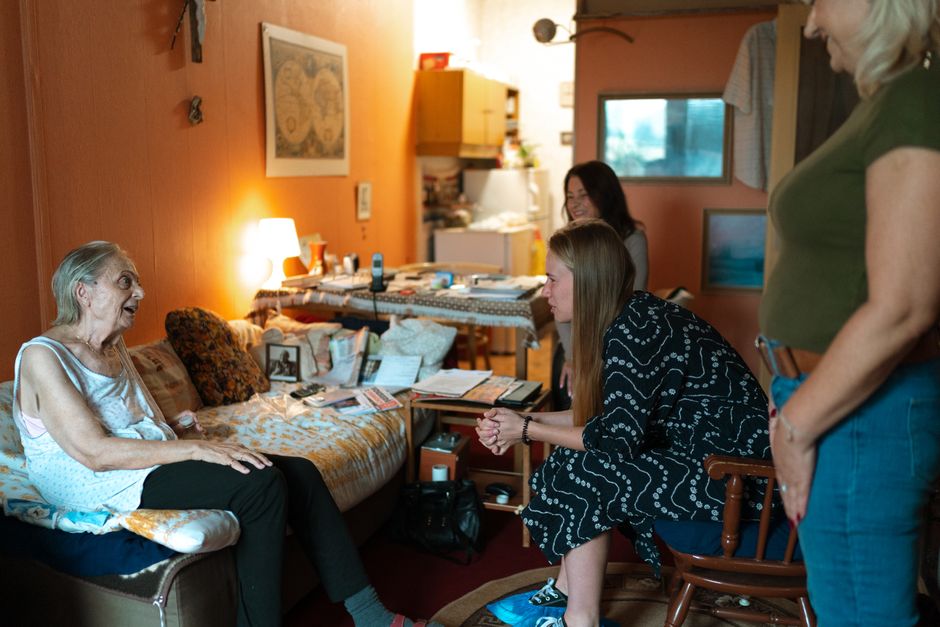
Caregiver guilt is common, but it does not mean a family member is doing something wrong. Many people feel guilty when they need rest, lose patience, ask for help, consider assisted living, or enjoy time away from a loved one. These feelings often reflect how deeply they care—not proof that they have failed.
For families in Plymouth Meeting, caregiving decisions may also be shaped by work schedules, winter weather, transportation, housing layouts, and the distance between relatives. A realistic care plan has to fit everyday life, not just an ideal picture of what family support “should” look like.
Why do caregivers feel guilty?
Caregiver guilt often comes from unrealistic expectations. A person may believe they should be available at all times, manage every health concern, remain patient, and meet every emotional need without help. Those expectations are not sustainable for most people.
Common thoughts include:
- “I should be able to do more.”
- “My loved one will think I am abandoning them.”
- “I should not feel frustrated.”
- “If I take a break, something might go wrong.”
- “Considering assisted living means I have given up.”
- “Other family members are doing more than I am.”
Guilt can also arise after a disagreement, a missed visit, a fall, a medication problem, or a decision that did not produce the hoped-for result. In many cases, the caregiver is blaming themselves for circumstances no one could fully control.
Caregiving can involve grief, especially when a parent, spouse, or relative is changing physically, cognitively, or emotionally. Feeling sadness, anger, relief, resentment, or affection at different times does not cancel out love.
Is caregiver guilt always a sign that something is wrong?
No. Guilt is an emotional signal, not always a verdict. It may indicate that a caregiver values the relationship and wants to act responsibly. It can also point to a practical problem, such as inadequate support, unclear expectations, too many tasks, or a care plan that no longer matches the person’s needs.
A useful question is: “Did I violate my values, or am I struggling with an impossible standard?”
For example, snapping during an exhausting evening may be worth acknowledging and repairing. But taking two hours to sleep, attend a medical appointment, or see a friend is not neglect. Rest is part of maintaining the ability to provide safe and thoughtful care.
How can guilt be separated from responsibility?
Try comparing the guilty thought with the facts.
Instead of thinking, “I am responsible for everything that happens,” consider:
- What was actually within my control?
- What information did I have at the time?
- Did I act reasonably and safely?
- Was the situation caused by an illness, disability, accident, or changing need?
- Would I judge another caring person as harshly as I am judging myself?
This approach does not excuse harmful behavior. It creates room for accountability without excessive self-blame. If a mistake occurred, the next step may be an apology, a safety adjustment, a medication review, or a clearer division of responsibilities—not hours of punishment through guilt.
Some caregivers find it helpful to replace “I should have prevented this” with “I wish this had not happened, and I will consider what can be changed now.” That shift recognizes regret without assuming total control.
What can caregivers do when they feel guilty about taking a break?
Begin with a short, planned break rather than waiting until exhaustion makes one unavoidable. A break might be a walk, a quiet meal, a nap, time outdoors, a religious service, or an hour spent with friends.
The goal is not to prove that the caregiver has earned time away. The goal is to protect physical and emotional functioning.
A practical plan may include:
- Writing down the tasks that must be covered during the break.
- Giving another person specific instructions instead of asking vaguely for “help.”
- Starting with a predictable period, such as one evening each week.
- Keeping emergency information in an easy-to-find place.
- Using regular check-ins when appropriate, rather than constant monitoring.
- Recognizing that the first few breaks may feel uncomfortable.
In a community with hot summers, icy conditions, and changing daylight across the year, outdoor activities and transportation plans may need seasonal adjustments. A safe backup plan matters if a caregiver cannot travel easily or if a loved one should not be left alone during severe weather.
How should families talk about assisted living without treating it as failure?
Assisted living is not automatically the right choice, but considering it does not mean a family has stopped caring. It may be part of evaluating safety, social connection, medication support, meals, mobility, or the caregiver’s ability to continue.
The conversation is more productive when it focuses on needs rather than blame. Ask:
- What tasks have become difficult or unsafe?
- What happens overnight or when no family member is available?
- Is the current home environment manageable?
- How often does the person feel isolated?
- What support would allow greater independence?
- What does the caregiver realistically have the capacity to provide?
A move may bring sadness and uncertainty, even when it improves daily support. Mixed feelings are normal. A caregiver can miss the old routine, feel relief about added assistance, and still remain deeply involved.
What if family members disagree about caregiving?
Disagreement often grows when responsibilities are unclear. One person may provide most of the hands-on care while others offer opinions from a distance. This can create resentment and more guilt for the person carrying the largest workload.
A written care plan can make the situation more concrete. List:
- Daily and weekly tasks.
- Medical and transportation responsibilities.
- Financial or household duties.
- Preferred ways to communicate updates.
- Backup plans for illness, bad weather, or emergencies.
- Decisions that require agreement from several relatives.
Family members may not contribute in identical ways. One may provide transportation, another may manage paperwork, and another may offer regular companionship. Fairness does not always mean equal hours; it means recognizing the real work and distributing responsibility honestly.
When does guilt signal burnout or a mental health concern?
Persistent guilt deserves attention when it comes with severe exhaustion, hopelessness, frequent anger, inability to sleep, loss of interest in nearly everything, social withdrawal, or difficulty completing basic tasks. These symptoms can indicate caregiver burnout, depression, anxiety, or another health concern.
Immediate help is needed if someone feels unable to keep themselves or another person safe, or has thoughts of suicide. In the United States, calling or texting 988 connects a person with the Suicide and Crisis Lifeline. An immediate danger requires emergency assistance.
Caregivers also need routine medical care. Skipping appointments, ignoring pain, relying heavily on alcohol or medication to cope, or driving while dangerously tired can turn emotional strain into a safety problem.
What is a healthier definition of being a good caregiver?
A good caregiver is not a person who never feels irritated, never leaves the house, or manages every task alone. A good caregiver aims to provide safe, respectful support while recognizing personal limits and changing needs.
That may include accepting help, setting boundaries, repairing mistakes, sharing decisions, and considering a different living arrangement when the current one is no longer workable. Love is shown through thoughtful care, but thoughtful care does not require self-erasure.
Guilt may remain part of the experience for a while. The goal is not to eliminate every uncomfortable feeling. It is to respond to guilt with facts, compassion, practical planning, and enough support to make responsible decisions.
