
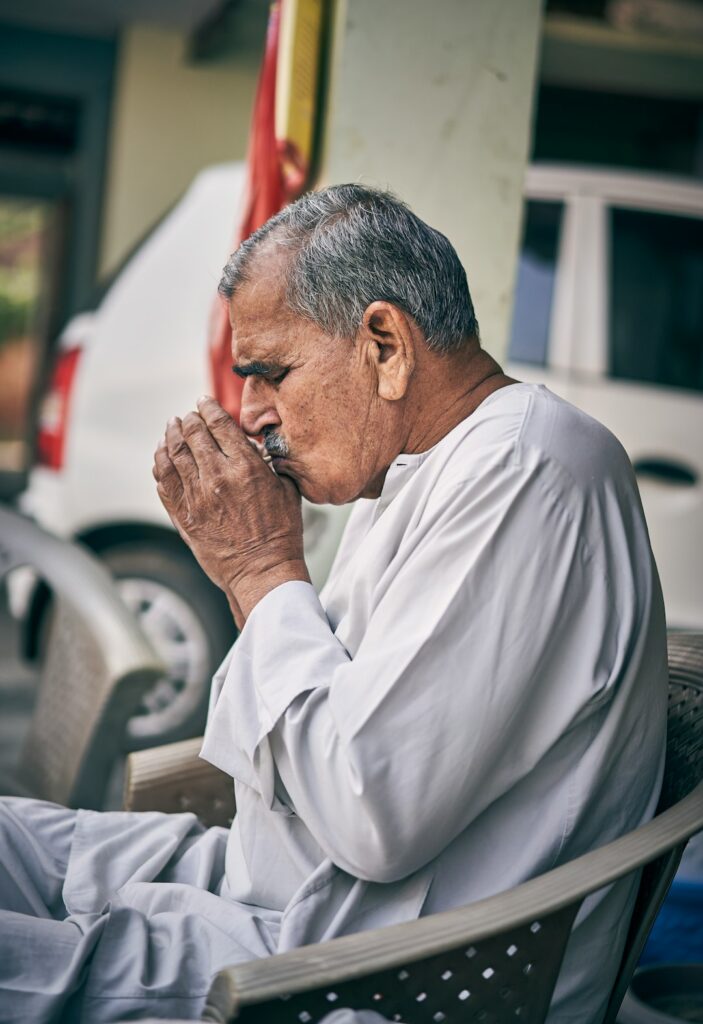
Moving into assisted living does not mean giving up the beliefs, customs, foods, language, or routines that have shaped a person’s life. In Plymouth Meeting, PA, residents and families can ask an assisted living residence to recognize cultural and religious preferences as part of respectful, person-centered care.
These accommodations may involve worship, diet, modesty, holidays, family involvement, communication, personal care, or end-of-life wishes. They should be discussed before move-in and revisited if a resident’s health, abilities, or preferences change.
What cultural and religious accommodations can assisted living provide?
Assisted living residences can support many ordinary practices that help residents feel comfortable, respected, and connected to their identity. An accommodation does not always require a special program or major change. Often, it involves adjusting routines or documenting preferences clearly.
Examples may include:
- Helping a resident observe daily prayers or meditation
- Providing a quiet space for worship or reflection
- Allowing religious clothing, head coverings, jewelry, or personal items
- Supporting attendance at services through family transportation, visits from clergy, or virtual participation
- Offering food that follows religious or cultural guidelines
- Recognizing fasting periods and coordinating meals, medications, hydration, and medical needs
- Respecting preferences about personal care, bathing, grooming, and staff gender when feasible
- Supporting cultural holidays, traditional music, language, or family customs
- Including preferred foods, recipes, or familiar mealtime practices
- Recording preferences for serious illness, death, burial, cremation, or family rituals
The most useful accommodations are specific. “Respect my faith” is a meaningful starting point, but a care plan should explain what that means in daily practice.
What should families discuss before admission?
Families should raise cultural and religious needs during the assessment and ask how those needs will be handled in writing. A residence may be familiar with some practices but not others, so clear explanations are helpful.
Questions may include:
- Can the resident keep religious articles in the living unit?
- Is there a private or quiet area for prayer?
- How are dietary restrictions communicated to kitchen staff?
- Can family members bring appropriate food, and how must it be labeled or stored?
- How are fasting periods handled if the resident has diabetes, takes medication, or needs regular hydration?
- Can clergy, spiritual advisers, or cultural leaders visit?
- Are visits possible during holidays, including evenings or weekends?
- How are personal-care preferences documented?
- Can the resident listen to religious services or cultural programming privately?
- How are language or communication needs addressed if the resident has hearing, speech, memory, or vision changes?
In a suburban community with residents from many backgrounds, families should not assume that a residence’s general activity calendar reflects every resident’s traditions. A meaningful accommodation may be individualized rather than part of a group program.

Are religious practices protected in Pennsylvania assisted living?
Yes. Pennsylvania assisted living resident rights include the right to practice the religion or faith of the resident’s choice, or not to practice any religion or faith. Residents also have the right to be treated with dignity and respect and may not be discriminated against because of religious creed, ancestry, national origin, race, age, disability, or other protected characteristics.
This means a resident cannot be pressured to participate in religious activities or excluded because of personal beliefs. A person who does not follow a religion is entitled to the same respect as someone who observes a formal faith tradition.
Rights do not eliminate every practical limitation. Safety, staffing, building rules, medical needs, and the rights of other residents may affect how an accommodation is arranged. However, a limitation should be explained clearly, applied fairly, and discussed with the resident and designated decision-maker.
How can dietary practices be supported safely?
Food is often one of the most visible parts of cultural and religious identity. Dietary needs may involve prohibited ingredients, preparation methods, fasting, vegetarian or vegan meals, familiar seasonings, or rules about separating foods.
Families should provide written information rather than relying on general labels. For example, “no pork” may not fully explain whether a resident also avoids broths, gelatin, shared cooking equipment, or particular preparation methods.
Medication and health conditions must also be considered. A fasting practice may need to be modified if the resident requires food with medication, has a condition affected by missed meals, or is at risk of dehydration. The resident’s preferences should be respected, while care staff explain health risks and document agreed arrangements.
Seasonal conditions can add practical concerns. During hot, humid periods, residents who fast or drink less for religious reasons may need closer attention to hydration and signs of weakness. During winter weather, transportation to services may be less reliable, making remote participation or visits inside the residence more useful.
What about modesty, gender preferences, and personal care?
Personal care is an area where cultural expectations and health needs often meet. A resident may prefer a same-gender caregiver for bathing, dressing, toileting, or grooming. The residence should discuss what can reasonably be arranged and how urgent care will be handled if the preferred staff member is unavailable.
Privacy remains essential. Residents should receive privacy during bathing, dressing, changing, and medical procedures. Religious garments, hair coverings, facial hair, and grooming practices should not be removed or altered casually. If a safety or clinical concern arises, staff should explain it respectfully and look for the least disruptive solution.
Families should also ask how preferences will be handled if dementia or another cognitive condition affects communication. A preference documented while the resident can clearly express it can guide future care, but staff must still respond to the resident’s current comfort, behavior, and safety needs.
How can family and community connections continue?
Religious and cultural identity often depends on relationships, not only private observance. Visits from relatives, clergy, cultural leaders, or trusted friends may provide emotional support and help a resident remain connected to familiar traditions.
Pennsylvania assisted living residents generally have rights related to visitors, private communication, association, and access to personal belongings. Families can ask about visiting procedures, quiet hours, shared spaces, virtual calls, and arrangements for holiday gatherings.
A resident may also want familiar music, books, artwork, clothing, photographs, or cooking traditions in the living unit. These items can support orientation and comfort, especially for someone experiencing memory loss. Personal belongings should be labeled and stored safely without treating cultural or religious objects as unnecessary clutter.
What should happen if an accommodation is ignored?
Start by identifying the specific concern, the date or situation involved, and the accommodation that was requested. Ask that the preference be added to the resident’s service plan or care documentation if it is not already recorded.
If the issue continues, residents have the right to file a grievance or complaint without intimidation, retaliation, or threats of discharge. A designated person or family member may help communicate the concern, provided the resident’s privacy and decision-making rights are respected.
For residents in Plymouth Meeting, keeping written records of requests, responses, and changes in care can make follow-up clearer. A cultural or religious accommodation is not a favor; it is part of recognizing the resident as a whole person with a history, conscience, family, and right to dignity.
